


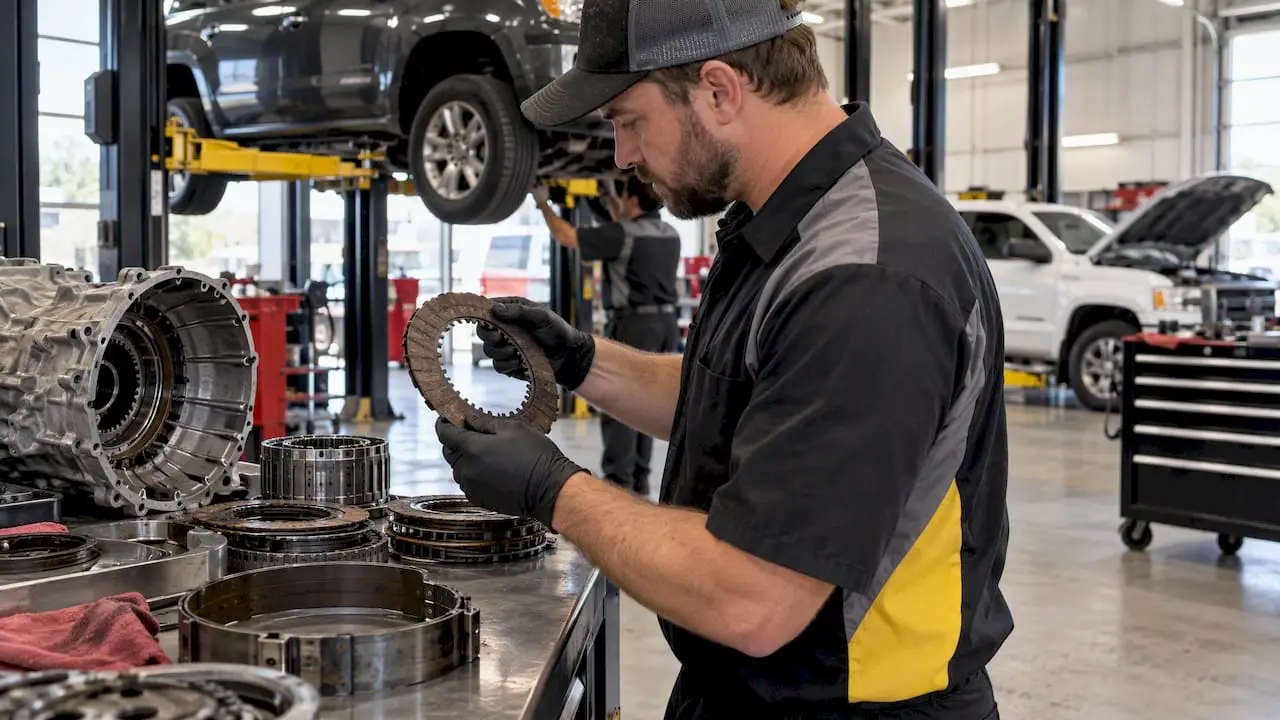
Transmission slipping means your engine revs higher than it should without a matching gain in speed, or your vehicle unexpectedly pops out of gear and re-engages. The top culprits fall into three buckets: fluid problems, hydraulic or electrical control failures, and worn clutches or a failing torque converter. If you notice a burning smell, grinding, or repeated loss of drive, stop driving and get it checked soon.
TL;DR:
- Transmission slipping can be caused by low or burnt fluid, worn clutches, torque converter issues, or hydraulic and electrical faults, each with distinct symptoms.
- Warning signs like burning smells, grinding noises, or fluid leaks indicate urgent repairs and may require towing to prevent further damage.
- Checking transmission fluid color, smell, and slip timing can help diagnose the problem early, but comprehensive testing by a professional is essential.
- Regular maintenance, especially for heavy-duty use or towing, can prevent fluid breakdown and extend transmission life, reducing slip risk.
- Accurate diagnosis before repairs saves money and preserves repair options, as symptoms can stem from multiple causes needing specific fixes.
Table of Contents
- 1. What causes a transmission to slip in the first place?
- 2. How do you safely check a slipping transmission before a shop visit?
- 3. When should you stop driving and get it towed?
- 4. Can regular maintenance prevent transmission slipping?
- Why accurate diagnosis matters more than guesswork
- Get your transmission checked before small symptoms become big repairs
- FAQ
- Sources
1. What causes a transmission to slip in the first place?
Several different problems can produce the same slipping feeling, which is why guessing at a fix rarely works. Understanding the mechanism behind each cause helps you describe the symptom accurately and avoid paying for the wrong repair.
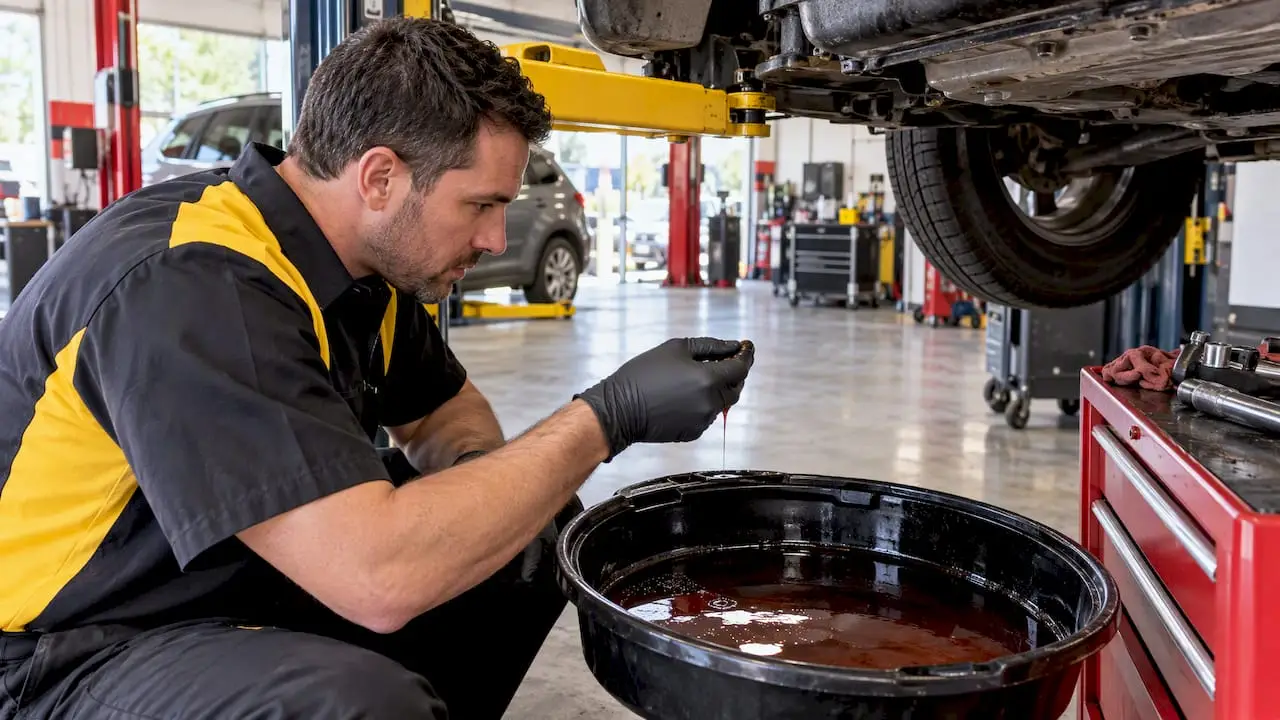
Transmission fluid issues are the most common starting point. Fluid that’s low, degraded, overheated, contaminated, or simply the wrong type can’t maintain the hydraulic pressure your transmission needs to hold gears firmly. Healthy fluid is usually red or pink; brown, black, or burnt-smelling fluid is a warning sign, though color alone doesn’t tell a technician exactly what’s wrong.
Worn friction clutches and bands are next. These components grip and release to change gears, and once the friction material wears thin, they slip instead of holding. At that point, a simple fluid top-off won’t solve it. Depending on how far the wear has progressed, the shop may recommend a partial repair or a full rebuild.
Torque converter trouble shows up a little differently. Watch for shuddering at certain speeds or a sense that the engine “stalls” before power catches up. These patterns point technicians toward the torque converter rather than the clutches or fluid.
Hydraulic and electrical control faults, including failing solenoids, valve-body problems, or a weakening pump, often cause slipping that’s intermittent or tied to specific gears. You might notice it only in third gear, or only under hard acceleration, which is a useful clue for diagnosis.
Finally, internal mechanical damage such as worn gears or planetary components usually comes with grinding or whining noises alongside the slipping. That combination almost always signals a problem that needs a shop’s attention rather than a fluid change.
- Low or burnt fluid reduces the hydraulic pressure that keeps gears engaged.
- Worn clutch plates or bands slip because friction material has thinned.
- A failing torque converter often causes shuddering or stall-like hesitation.
- Bad solenoids or valve-body issues tend to cause slipping in specific gears.
- Grinding or whining paired with slipping usually means internal hard-part wear.
Pro Tip: Note exactly which gear or speed the slipping happens in. That detail alone can point a technician toward hydraulics versus clutch wear long before the car is even on the lift.
2. How do you safely check a slipping transmission before a shop visit?
You can gather useful information yourself before calling for an appointment, and that information helps a technician work faster once you arrive.
- Park on level ground and, if your vehicle has a dipstick, check the fluid level and look closely at its color and smell.
- Watch for reddish or brownish puddles under the car, since those can indicate a leak, though you’ll want to confirm it’s transmission fluid and not coolant, because some coolants are dyed red too.
- Note exactly when the slipping happens: right at cold startup, only after the engine warms up, under load or towing, or at highway speed.
- Write down any dashboard warning lights, unusual noises, or delayed shifts you’ve noticed over the past few days.
A cold-only flare that disappears once the engine warms up can point toward a sticking valve or a weak pump, while slipping that worsens under load often points toward clutch or torque-converter wear. We cover more of these cold-weather quirks in our winter transmission guide.
A technician’s actual diagnosis goes further: reading diagnostic codes, running hydraulic pressure tests, inspecting the valve body and solenoids, and performing a torque-converter stall test alongside a monitored test drive. One detail worth knowing before any fluid service: if your fluid is dark, burnt-smelling, or contains metallic particles, a flush at that stage can actually make slipping worse by washing away the grit that was temporarily holding worn clutches together. Diagnosis should always come before a flush, not after.
3. When should you stop driving and get it towed?
Some symptoms mean the smart move is to stop driving rather than hope it holds until your next appointment. Continued driving with a serious slip builds excess heat and circulates debris through the transmission, which can turn an affordable repair into a full rebuild or replacement.
- Repeated loss of drive, where the car won’t move or shifts unpredictably.
- A large, visible fluid leak under the vehicle.
- A strong burning smell coming from under the hood.
- Grinding or metallic noises accompanying the slip.
- Inability to accelerate safely into traffic.
If you notice any of these, pull over when it’s safe, arrange a tow instead of driving long distances, and jot down exactly what you felt and heard so the technician has a clear starting point.
4. Can regular maintenance prevent transmission slipping?
Heat is the biggest threat to transmission fluid and internal components, and stop-and-go driving, towing, and hauling heavy loads accelerate that breakdown faster than normal commuting. If you regularly tow or drive in heavy traffic, following a severe-service fluid interval rather than the standard one is worth considering.
- Check fluid condition periodically rather than waiting for a symptom to appear.
- Use the fluid type specified for your vehicle, since the wrong spec can cause the same slipping symptoms as low fluid.
- Avoid overfilling or underfilling, both of which disrupt hydraulic pressure.
- Keep an eye on your cooling system, since transmission coolers often share circuits with engine cooling.
Pro Tip: If you tow a trailer or drive mostly in stop-and-go traffic, treat your transmission fluid change like a severe-service item rather than waiting for the standard mileage mark. Our summer transmission tips go into more detail on managing heat during the hottest months.
Why accurate diagnosis matters more than guesswork
We see plenty of vehicles where a prior shop changed fluid, replaced a solenoid, or did both, without actually confirming what was failing first. That approach wastes money and sometimes makes the real problem harder to find. We run a proper sequence: scan for codes, inspect fluid condition, and road test with specific attention to when the slip occurs before recommending any repair.
— Kwik Kar
Get your transmission checked before small symptoms become big repairs
A slipping transmission rarely fixes itself, and the earlier we can diagnose it, the more repair options stay on the table. We offer a full transmission diagnostic that includes a fluid check, code scan, and test drive, paired with an inspection process so you can see what’s happening before any work begins.
- Transmission diagnostics covering fluid, codes, and road testing.
- Repairs backed by a warranty on qualifying work.
- After-hours drop-off and a ride service are available to fit your schedule.
Ready to get answers instead of guesses? Visit our transmissions page or browse our full service offerings to schedule your diagnostic.
FAQ
How do you fix transmission slipping?
The right fix depends entirely on the cause: a low or degraded fluid issue may need a proper fluid service, while worn clutches, a failing torque converter, or a bad solenoid typically require targeted repair or rebuild work. A technician needs to diagnose the specific cause before recommending a repair, since the same symptom can point to very different problems.
How much does it usually cost to fix a slipping transmission?
There’s no single reliable price because causes range widely, from a simple leak repair or fluid service up to valve-body work, torque-converter repair, clutch replacement, or a full rebuild. We provide a transparent, itemized estimate after diagnosis so you know exactly what you’re paying for and why.
Can you still drive a car if the transmission is slipping?
It depends on severity: mild, occasional slipping may allow a short drive to a shop, but continued driving with a serious slip raises heat and circulates debris that can turn a repairable issue into a full replacement. If you notice grinding, a burning smell, or repeated loss of drive, arrange a tow rather than risk the drive.
What can be mistaken for a transmission slip?
Several non-transmission issues can feel like slipping, including worn drivetrain components, damaged engine or transmission mounts, transfer-case problems, and electrical or software glitches. CVTs and some hybrids can also produce rev behavior during normal operation that feels like slipping, so it’s worth confirming your transmission type before assuming the worst.
Sources
- How to check and maintain your transmission fluid | AAA
- Cars
- Don’t believe these transmission fluid myths | Via (AAA Motorist)